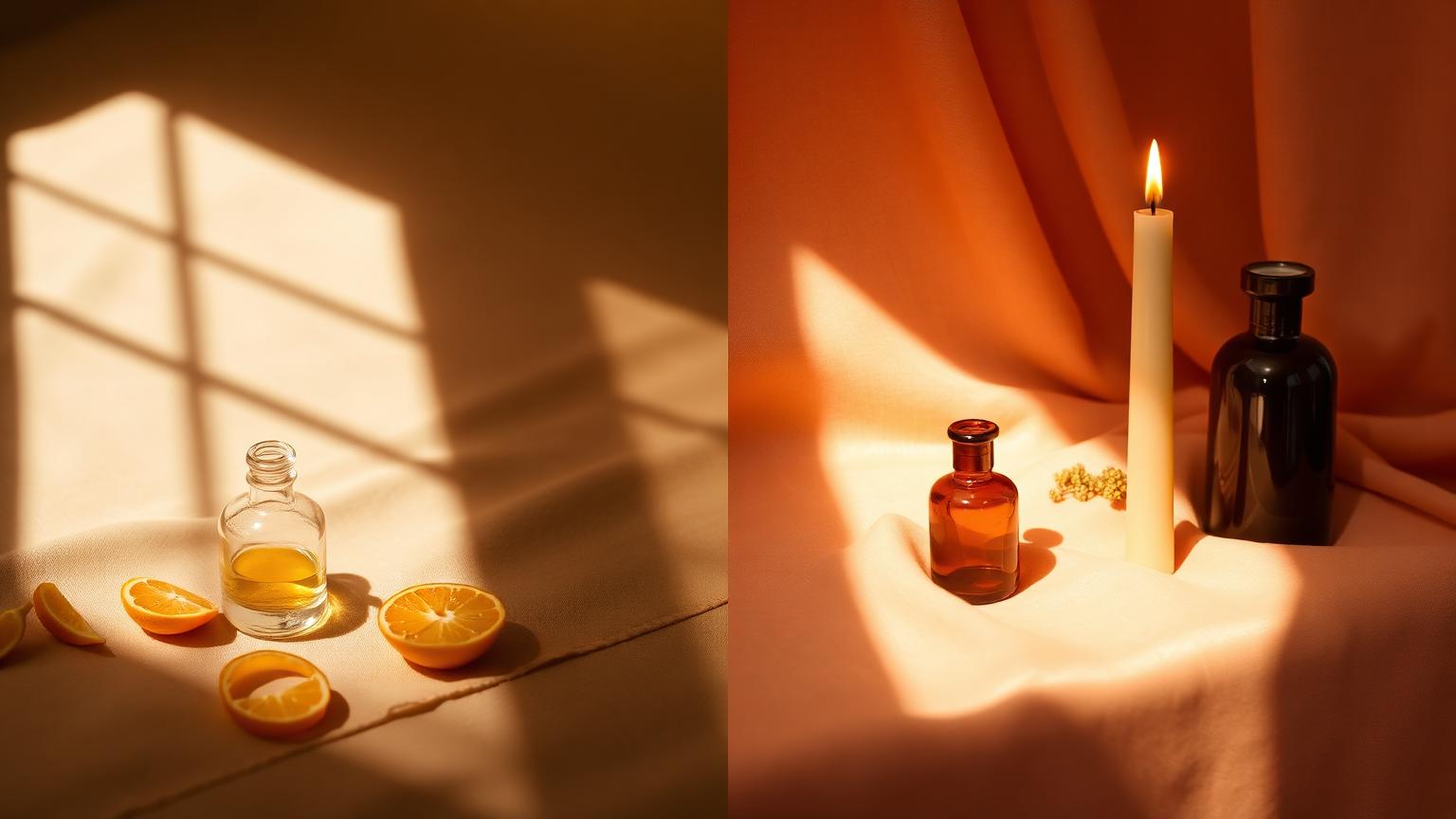
Light alters fragrance more than weather does. The same composition, worn at noon and again at ten in the evening, will read as two different perfumes — not because the molecules have changed, but because the context around them has. A green floral that feels crisp and alert at eleven in the morning can feel thin and apologetic at a candlelit dinner. A leathered amber that reads as confidently sensual after dark can feel oppressive in an office at three in the afternoon.
Choosing for the hour, then, is less about the season or the occasion than about the quality of light the fragrance will be lived in. The discipline is to match the composition to the room you will wear it in, not to the bottle you happen to love most that morning.
Day: clarity, distance, restraint
Daylight fragrance should feel as though it belongs to your skin rather than entering the room ahead of you. The presence you want is at conversational distance — close enough that a colleague leaning in to look at your screen catches something pleasing, far enough that the person three seats down at a meeting cannot tell what you are wearing.
The materials that read best in daylight are the ones the sun does not amplify into something heavier than intended. Citrus, neroli, petitgrain, soft white florals like white tea or muguet, transparent musks, fine green notes, light woods such as cedar or a soft sandalwood. EDT concentrations often serve daywear better than EDP — not because EDP is wrong for the day, but because the lighter dose is easier to keep within polite range.
Apply less than you would in the evening. Two sprays, never three. Pulse points only — the neck or behind the ears tend to project more than the wrists, so choose accordingly. Daywear is about the impression of having been considered, not about being noticed for your perfume.
“Daywear is about the impression of having been considered, not about being noticed for your perfume.”
Evening: depth, sillage, intimacy
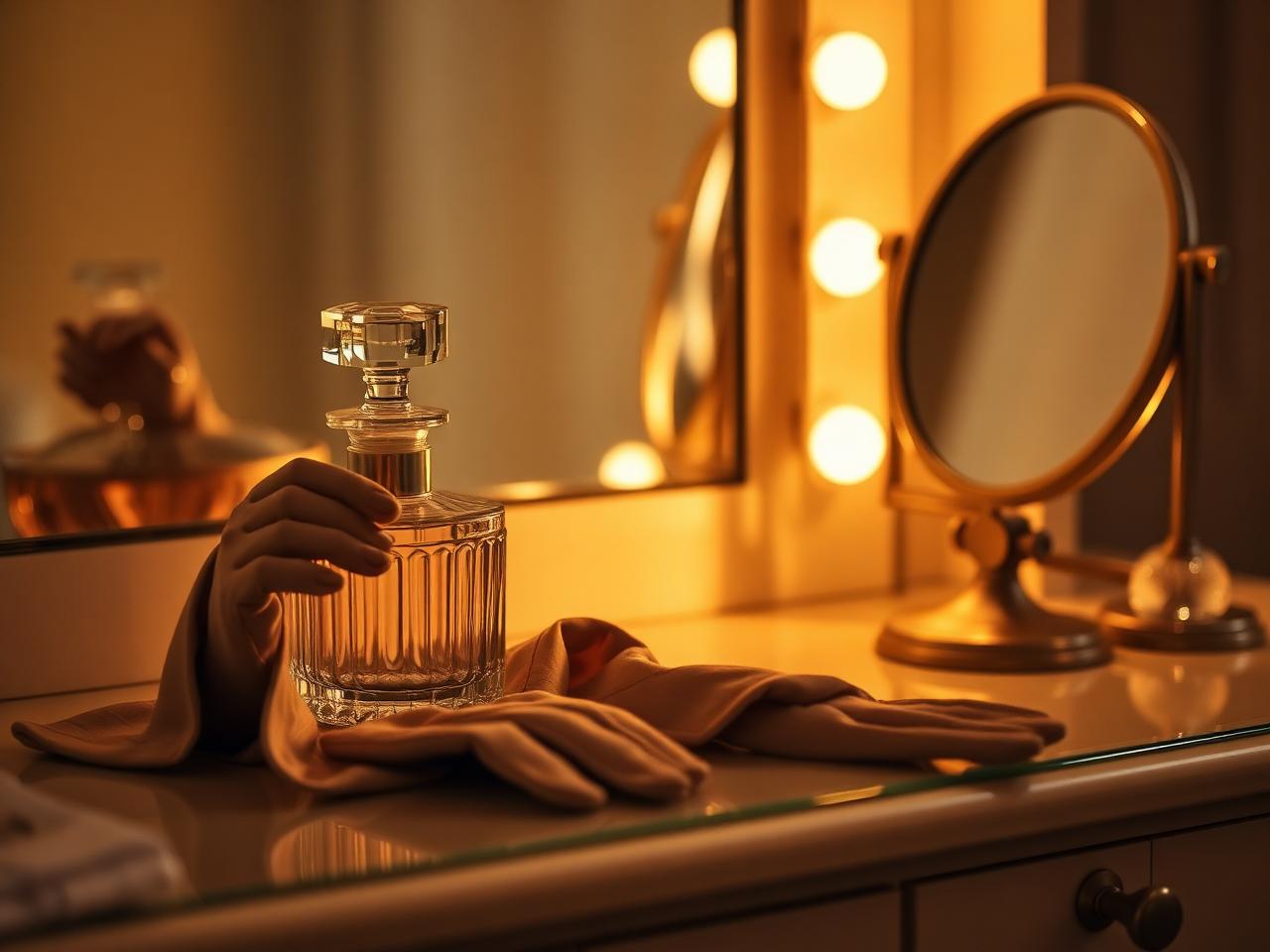
Evening fragrance can take up more space, and should. Low light flatters depth the way harsh light flattens it. Amber, resins, leather, oud, vanilla absolute, smoky incense, sweetened or animalic florals, tobacco — all read better after the sun has gone. The same iris that felt cool and aristocratic at lunch will warm into something more sensual under candlelight.
The intimacy of the hour rewards compositions that linger, soften, and reveal themselves slowly. An EDP or parfum concentration is usually the right choice — not because evenings demand more fragrance, but because the slower, denser arc of a higher concentration matches the slower pace of the night. A two-spray application of a good parfum will last from dinner through to the end of the evening without ever asking to be noticed.
Evenings also forgive sweeter compositions in a way daylight does not. A gourmand that would feel cloying at three in the afternoon can feel exactly right at nine in the evening, when the company is closer, the conversation is quieter, and the lights are lower.
The seasons of the day
Within a single day there are at least three distinct lights, and a well-curated wardrobe answers each of them. Morning light is cool and bright and rewards transparency: citrus, soft musks, fine teas. Mid-afternoon light is warmer and more diffuse, and rewards compositions with a little more weight — a green chypre, a soft leather, a fig. Evening light, whether candle or low lamp, is warm and forgiving and rewards depth.
Most people only need two fragrances to cover this arc — a daywear and an evening — but those who carry a small decant for the transitional hours often find their dressing easier. A second decant on the desk for the late afternoon means the evening composition arrives at dinner already wearing in.
A simple rule
Day, choose what you would wear in front of strangers. Evening, choose what you would wear in front of one person you wish to know better. The rule is glib, but it is also useful. Daywear answers to a broad room; evening wear answers to a narrow one. The compositions that suit each are different, and a fragrance that tries to do both well often does neither.
Build the wardrobe around this difference, not against it. The reward is that you stop reaching for the wrong bottle at the wrong hour — and the people around you stop sensing, without quite knowing why, that something is slightly off.
Continue reading
Building a Fragrance Wardrobe