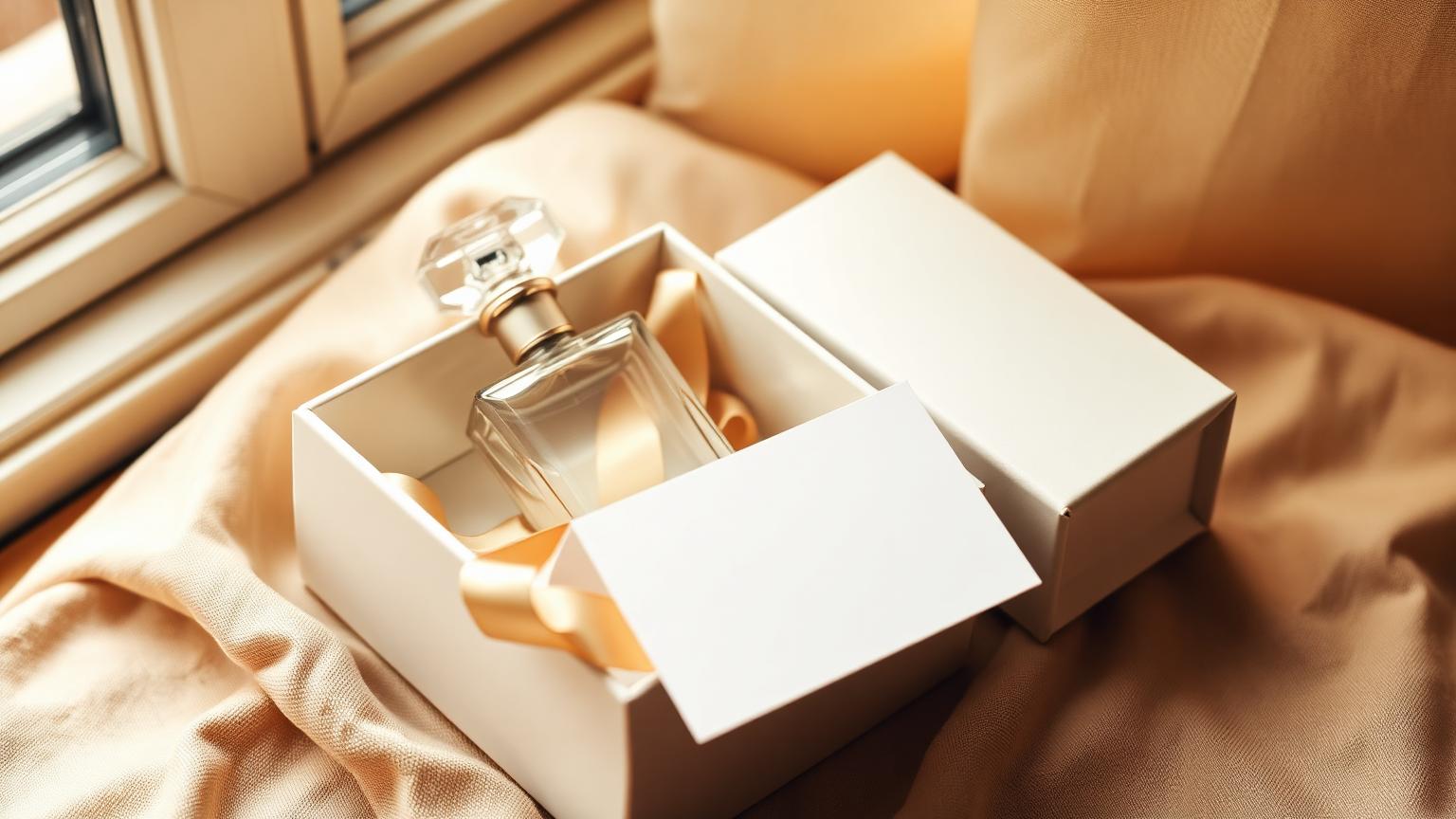
To give someone a fragrance is to suggest a way you wish them to be perceived. It is closer to giving jewellery than to giving wine. Wine is consumed and gone; a perfume is worn on the skin, sometimes daily, sometimes for years, and the giver's choice becomes part of how the recipient is read by every room they enter. The gesture deserves the same care a piece of fine jewellery would receive — and most fragrance gifts do not get it.
The most common failure mode is the giver who chooses what they themselves enjoy and assumes the recipient will share the taste. They almost never do. A fragrance gift, done well, is an act of attention paid to the recipient — to how they already smell, dress, move, and present themselves — rather than an extension of the giver's preferences. The work begins with observation, not selection.
Begin with their wardrobe, not yours
Notice what they already wear. The family — woody, floral, fresh, oriental — is the most important data point, because skin chemistry and personal aesthetic sit beneath those categorisations. A person who lives in soft musks and clean florals will not suddenly carry an oud; a person who wears warm ambers will find a transparent citrus EDT thin and disappointing, no matter how well-reviewed.
If you cannot recall what they wear, ask discreetly through someone who knows them well, or look at the bottles you can see in their home. A bathroom shelf or vanity will tell you more in a glance than any conversation. The fragrance you give should feel like the next chapter in a story the recipient has already begun writing — not a redirection of the plot.
“A fragrance gift should feel like the next chapter in a story the recipient has already begun.”
Choose restraint over signature
Avoid choosing what you imagine should become the recipient's signature. That decision belongs to them, and giving someone their signature is an overstep no matter how generous the intent. Lean instead toward a beautifully made companion piece — something for a season they don't yet have covered, or a register they haven't explored.
If they wear warm winters, a polished spring iris. If they wear soft daily musks, a deeper evening composition for the rare occasions. If they wear a single signature and seem complete, an exquisite parfum extrait of a composition adjacent to their signature — same family, different mood — is often the right answer. Niche houses with quiet, wearable compositions tend to gift better than statement perfumes; a refined wearer is more likely to keep and wear something subtle and well-made than something declarative.
Sample sizes matter here. A 30ml or 50ml is often a more considered gift than a 100ml, because it signals respect for the recipient's existing wardrobe and the possibility that they will return to their signature without feeling guilty about a half-empty grand bottle on the shelf.
Presentation matters
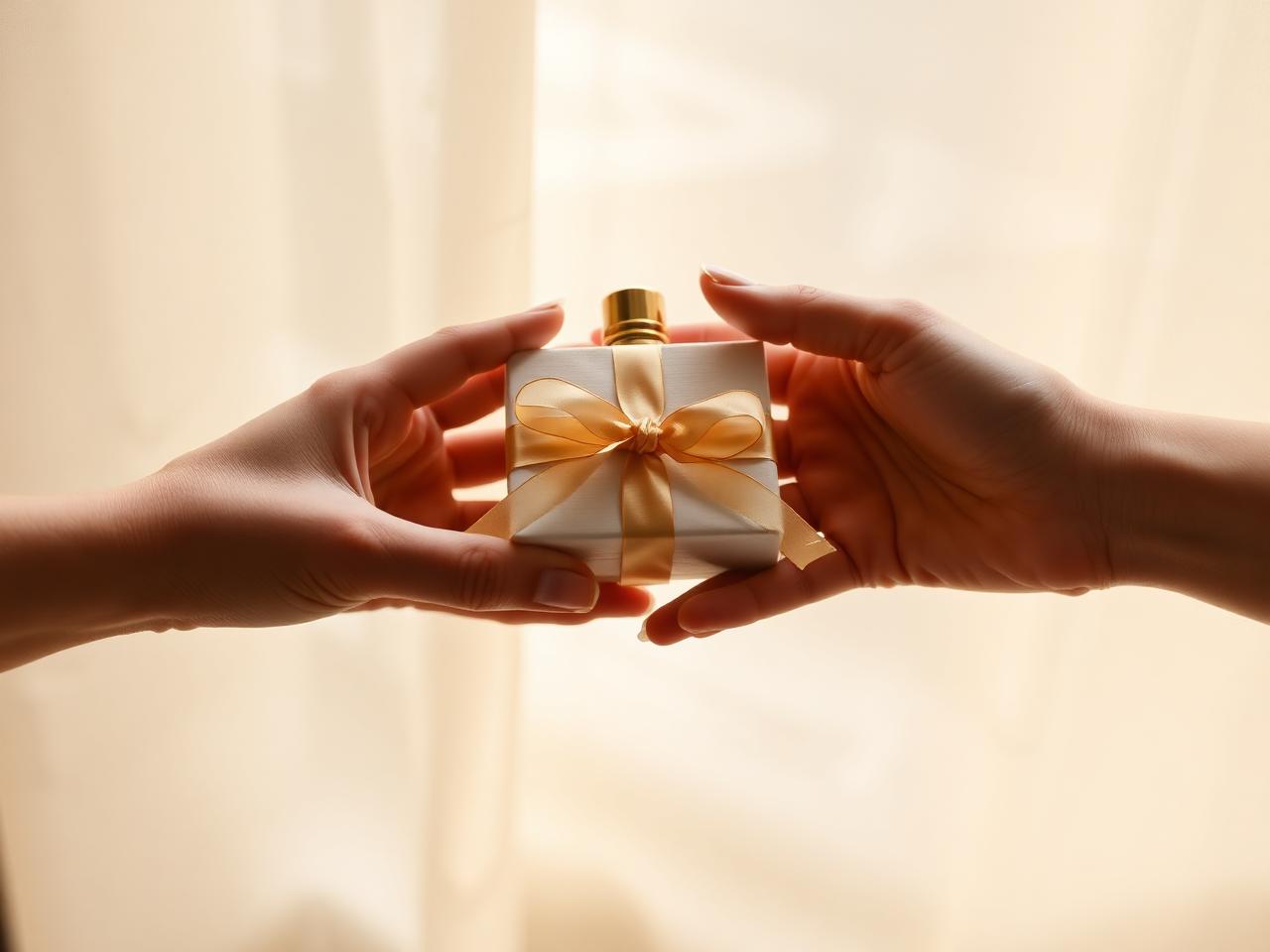
Keep the bottle in its original box. A perfume bottle out of its box, wrapped only in tissue, reads as a partial gesture; the box is part of the object, and luxury houses spend considerable effort on the boxes for a reason. Do not wrap the bottle itself; wrap or present the box.
A handwritten note inside or alongside the box, describing why this scent, for this person, transforms a luxury purchase into something personal. Two or three sentences are enough — what reminded you of them, what you imagine them wearing it for, the season or the occasion you had in mind. The note is what makes the gift theirs rather than generic. Without it, even an exquisite bottle reads as something pulled from a duty-free shelf at the last minute.
If in doubt, give a discovery set
When you cannot read someone clearly — a new acquaintance, an in-law, a colleague — a thoughtfully chosen sample set is the most generous gift of all. It offers the experience of choosing, and the pleasure of discovering, which is much of what fragrance is for. A curated set of five or six samples from a single niche house, or across a single family (a tour of contemporary ambers, an introduction to iris compositions), is often more memorable than a single full bottle would have been.
Some niche houses sell discovery sets specifically designed for this. Others can be assembled by a knowledgeable retailer or, with more effort, by you — purchasing decants of fragrances you have considered carefully for the recipient. The act of selecting six samples for one person is itself a form of attention, and is usually felt as such.
When not to give fragrance
There are cases where fragrance is not the right gift, no matter how thoughtfully chosen. A wearer with a long-established signature they love is rarely improved by a new bottle, even a beautiful one. A wearer with skin sensitivities or strong personal feelings about particular note families is a wearer for whom fragrance is genuinely risky. And a wearer with whom the relationship is professional and recent — a manager, a client, a new acquaintance — is one for whom the intimacy of fragrance can read as an overstep, however generous.
When in doubt, give something adjacent: a beautiful candle from a perfume house, a body oil in a familiar family, a discovery set. The instinct to give fragrance is correct; the discipline is in knowing when to give a little less of it.
Continue reading
How to Choose a Signature Scent